
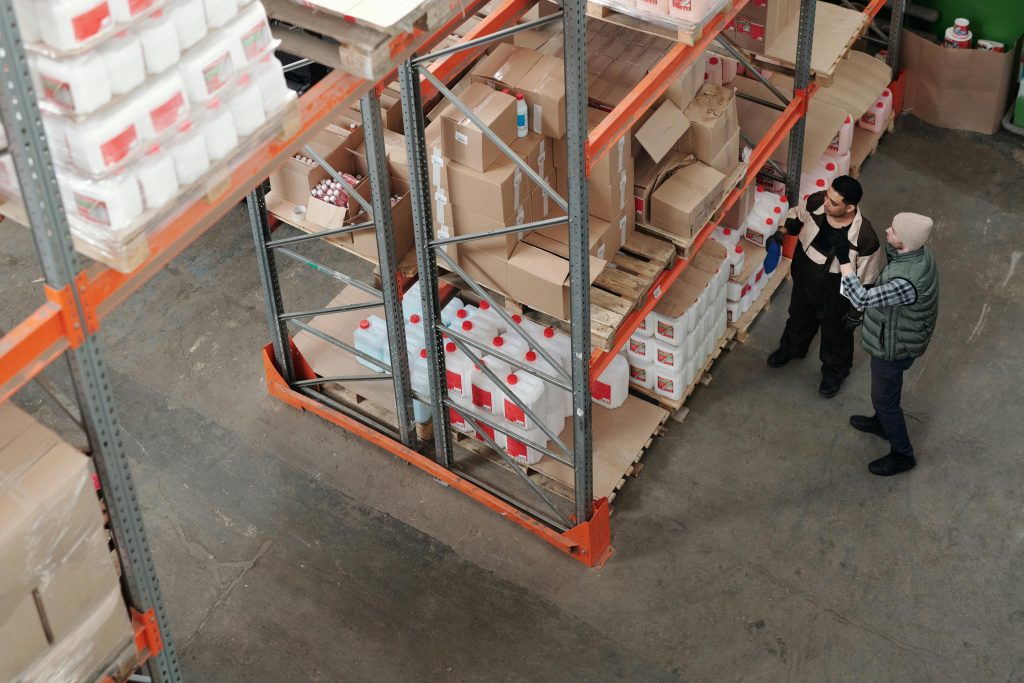
The United Arab Emirates is one of the most attractive consumer markets in the Middle East. With high purchasing power, strong logistics infrastructure, and a diverse international population, many global brands consider the UAE a key entry point into the region.
For decades, the traditional method of entering the UAE market has been simple:
Find a local distributor.
However, in recent years, many international brands have started exploring alternative strategies.
Understanding both approaches is important when planning market entry.
Why Brands Traditionally Use Distributors
Local distributors have historically played an important role in helping international companies enter new markets.
A typical distributor may handle:
- product importation
- retail relationships
- local warehousing
- logistics and delivery
- sales and merchandising
Because major retail chains such as Carrefour, LuLu Hypermarket, and Spinneys require established supplier relationships, distributors often act as the bridge between international brands and local retailers.
For many companies, this has been the most common entry strategy.
The Typical Distributor Model
In most cases, distributors purchase products from manufacturers and resell them in the market.
This structure usually includes:
- distributor exclusivity agreements
- wholesale pricing structures
- distributor marketing control
- margin structures between 25% and 45%
While this model works well for some brands, it can also introduce certain limitations.
Challenges Brands Often Face With Distributors
Many international brands entering the UAE market experience challenges with traditional distributor arrangements.
Some common issues include:
Loss of pricing control
Once products are sold to a distributor, the manufacturer may have limited control over final retail pricing and positioning.
Limited visibility into market performance
Brands may not always receive detailed data about sales performance, consumer demand, or marketing results.
Slow market launches
Distributor negotiations, product approvals, and retail onboarding can take several months before products appear in stores.
Exclusive agreements
Some distributors request exclusivity before proving demand in the market, which can limit flexibility for the brand.
For emerging consumer brands, these factors sometimes create uncertainty when entering a new market.
In fact, many companies entering the region struggle because of distributor dependency and slow launch timelines. These challenges are discussed in detail in our guide on why global brands fail when entering the UAE market.
The Rise of Ecommerce Market Entry
Over the last decade, ecommerce platforms have changed how international brands enter global markets.
Marketplaces such as Amazon UAE and Noon now allow brands to reach customers directly without relying solely on traditional distribution networks.
Ecommerce offers several advantages:
- faster product launches
- direct consumer access
- data-driven market insights
- flexible pricing strategies
As a result, many brands now test new markets online before committing to full retail expansion.
Instead of committing to large distributor agreements immediately, many brands now choose to test the UAE market first using ecommerce and targeted marketing campaigns.
A Hybrid Market Entry Strategy
Rather than choosing between ecommerce or retail distribution, many companies are now adopting a hybrid approach.
This strategy typically follows several stages:
- Launch products online through ecommerce marketplaces
- Generate consumer awareness using digital marketing
- Analyze real sales data and customer feedback
- Validate product-market fit
- Expand into retail once demand is confirmed
This approach allows brands to reduce risk while gathering valuable market insights.
This phased strategy is part of a new market entry model used by global consumer brands to launch, test demand, and scale in international markets.
Why the UAE Is a Strategic Entry Point
The UAE is often used as a regional base for expansion across the Gulf region.
From the UAE, brands frequently explore opportunities in neighboring markets such as:
- Saudi Arabia
- Qatar
- Kuwait
Because of its advanced logistics infrastructure and international trade ecosystem, the UAE remains one of the most accessible markets in the region for global consumer brands.
Final Thoughts
Finding a distributor has long been the traditional path for entering the UAE market.
However, the rapid growth of ecommerce platforms and digital marketing now allows international brands to explore alternative strategies.
By testing demand first and expanding gradually, companies can make more informed decisions about long-term market expansion.
For international consumer brands evaluating entry into the UAE market, structured market entry programs are becoming an increasingly popular option.
International brands looking for a structured approach can explore the UAE Brand Launch Program, designed to help companies test and scale products in the UAE market.